Monday, 30 July 2012

Short Stories


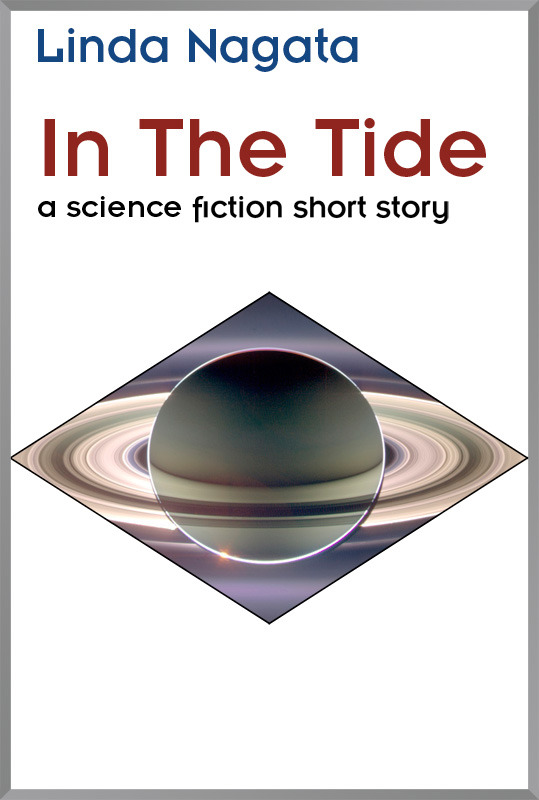
"In The Tide" by Linda Nagata

“In The Tide” by Linda Nagata

An interesting story about rogue nanobots, Saturn and genetically engineered humans. Set in a space faring world still confined to the solar system, it was nice to see some hard SF eschewing interstellar travel. You can download it free from Smashwords.


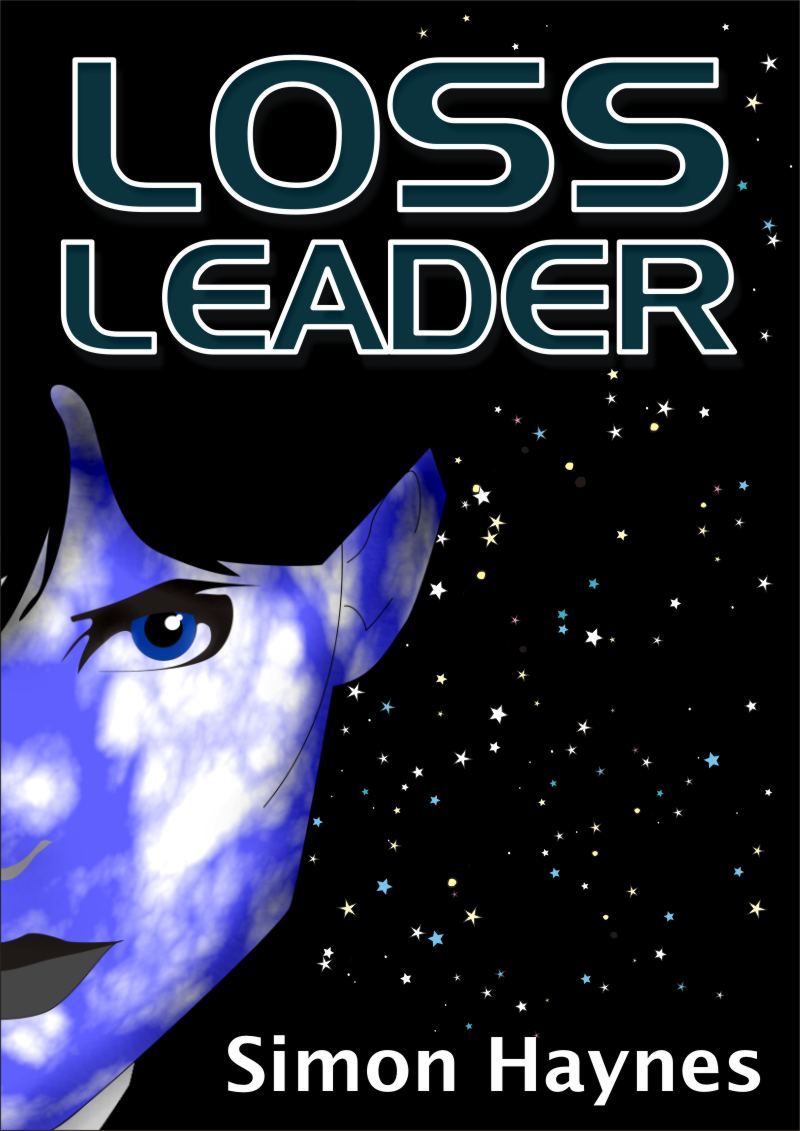
"Loss Leader" by Simon Haynes


“Loss Leader” by Simon Haynes

A story which originally appeared in an early edition of ASIM (which makes me feel like I should’ve read it before, but apparently I missed that issue). What happens when a company spends piles of money on a spaceship filled with cryogenically frozen settlers that the settlers aren’t keen on boarding? You treat the mission as a loss leader, of course. A bleakly amusing tale. You can download it free from Smashwords.


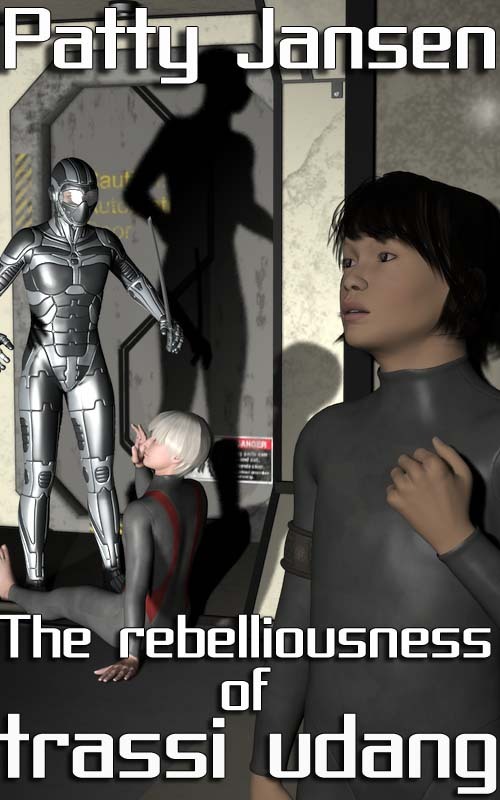
"The Rebelliousness of Trassi Udang"

“The Rebelliousness of Trassi Udang” by Patty Jansen

This is a slightly dark and sinister story set on a space station with a large Indonesian population. In the background there is war, in the foreground minor rebellion. A well drawn world and a great read. You can download it for free from Smashwords.


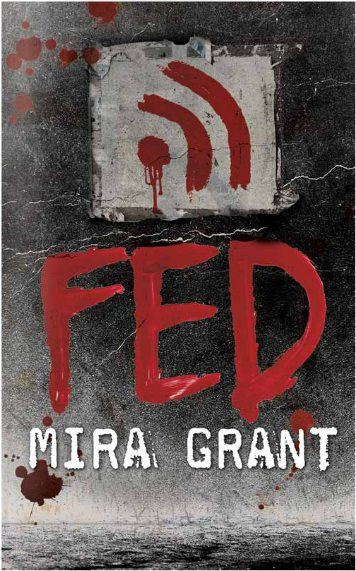
"Fed" by Mira Grant

“Fed” by Mira Grant


This isn’t strictly speaking a short story but an alternate ending to Mira Grant’s novel Feed. It’s how things would have played out if one event near the end had happened differently. If you’ve read Feed you can probably guess which event. It’s understandably a little rougher than the finished novel (and somewhat lacking in characterisation where points of view have changed from the original), but still harrowing. You can read or download it (PDF link hidden at the bottom) on this Orbit page.

Saturday, 28 July 2012

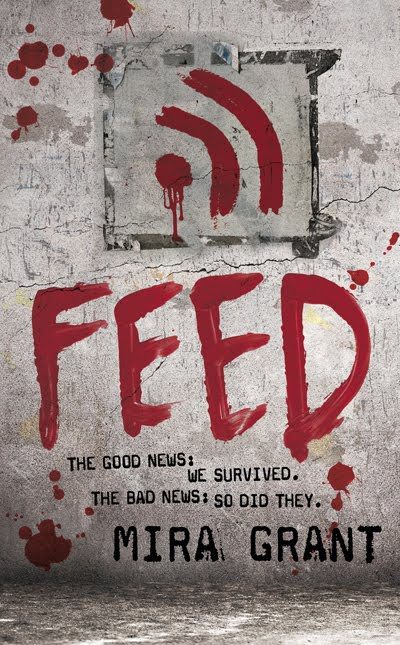
Feed by Mira Grant

Feed by Mira Grant is a novel I picked up earlier this year and left lying around on my ereaders while I was distracted by other things. Now that I’ve read it, I wish I didn’t have to read two more books before buying the sequel.


This was a book that snuck up on me. It started interestingly enough and for a while I wasn’t sure what the main action was going to be. Then, in the last 20–30%, the action picked up and didn’t slow down until the very end. I didn’t take many breaks while reading the first part, but for that last part I could not put it down.


Twenty years after the zombies started rising, humanity endures. During the Rising the media as we know it today fell on its face in a few ways and bloggers rose to feed the public’s demand for truth (and sensationalism). As journo bloggers, Georgia, Shaun and Buffy run around looking for news and sometimes poking dead things with sticks (that’s mostly Shaun). At the start of the novel, they’re chosen by one of the Republican presidential candidates to follow him on the campaign trail in the lead up to the primaries. Drama (and zombies) ensues.


When I finished it, I wanted to give Feed five stars (which I reserve for my absolute favouritest books — they go in the side bar) but after some reflection there were some things which bothered me but which the awesomeness of the last part distracted me from.


Firstly, it’s a book about the US presidential elections making it, obviously, very US-centric. That’s fine but there were some parts where there was assumed knowledge which I’m sure USian readers would know but that went a bit over my head. And I say that as someone reasonably well informed (US elections are probably the ones I know the second most about, after Australian ones) but who couldn’t look up some references while reading (because I had no internet at the time). So, for example, this was the first time I’d heard about Super Tuesday. It was explained enough for the story to make sense, but I couldn’t help but feel more background knowledge (or slightly more explanation) would have helped.


I also really want to know how, if the zombie apocalypse started in the US, the entire rest of the world also became infected. Once people realised what was going on, it doesn’t seem like it would be hard to keep relatively isolated countries like Australia (or at least Tasmania…) and New Zealand clean. And if the outbreak started in the US, wouldn’t it be the hardest hit? How can it still be “the greatest country on Earth”? I suspect some of these questions are addressed in the related novellas Countdown and San Diego 2014: The Last Stand of the California Browncoats, which are set at the time of the Rising and which I look forward to reading.


I very much enjoyed Feed and I look forward to reading the rest of the series. I highly recommend it to anyone who likes zombies, post-apocalypic stories, near-future SF or political or epidemic thrillers. It’s definitely a worthy read.


4.5 / 5 stars

Thursday, 26 July 2012

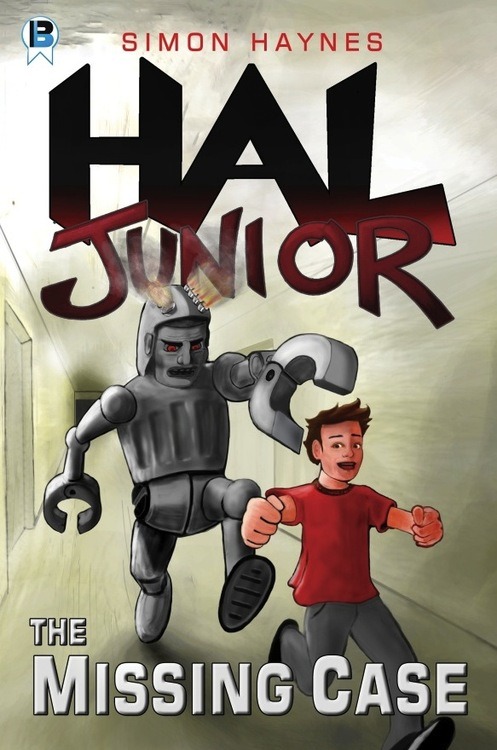
Hal Junior: The Missing Case by Simon Haynes

Hal Junior: The Missing Case by Simon Haynes is the second of his Hal Junior books, although they stand alone and reading order isn’t important. The Hal Junior series is itself a spin-off of Haynes Hal Spacejock novels for adults.

Hal Junior is a kid growing up on a space station who is particularly adept at getting himself into trouble and causing havoc. In The Missing Case, he is given the important task of entertaining and looking after a VIP visitor’s son Alex. Except that it turns out Alex isn’t the VIP’s son, but his daughter, much to Hal’s dismay. Alex is also entrusted with looking after her father’s very important (and titular) briefcase. Shenanigans ensue.

Since I started reading the Hal Junior books, I’ve been very curious as to how they fit into the larger Hal Spacejock universe. Initially I thought Hal Junior was going to be about Spacejock’s childhood, but this is obviously not the case once you start reading. There was a hint at the end of The Missing Case which suggests that maybe we’ll find out more soon, hopefully in Hal Junior 3 (which I think isn’t that far off).

The Missing Case is a quick fun read and good for a few laughs. I would also recommend it to kids (I believe the US category is called “middle-grade”, but in Australia I’ve only seen it called “for younger readers”) who enjoy space adventures or reading about general mischief-making.

4 / 5 stars

Tuesday, 24 July 2012

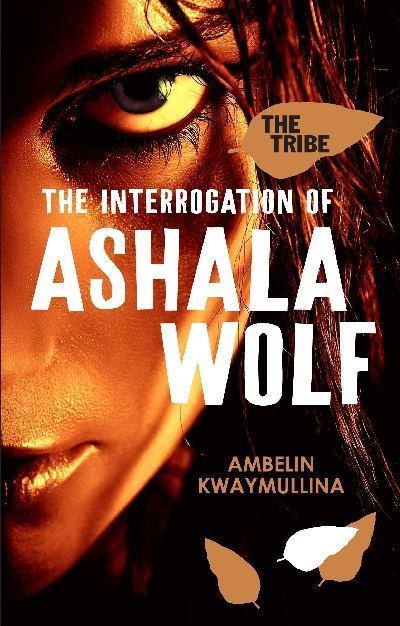
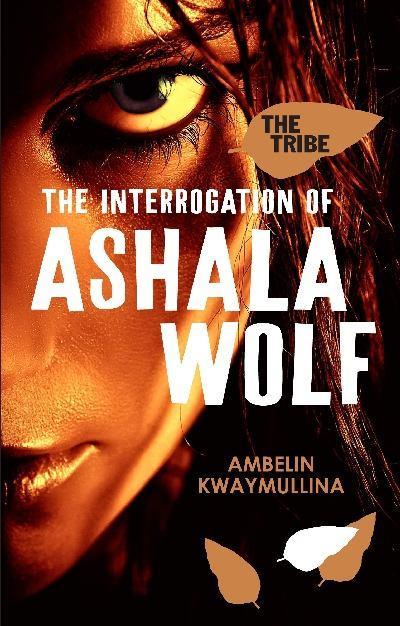
The Interrogation of Ashayla Wolf by Ambelin Kwaymullina

The Interrogation of Ashayla Wolf by Ambelin Kwaymullina is a fascinating novel. Seeing it marketed as YA fantasy, I was expecting something a little more standard fare but I’m glad that’s not what I got.


The Interrogation of Ashayla Wolf is both post-apocalyptic and dystopian, in a similar way to Isobelle Carmody’s Obernewtyn series, although the world is completely different in the specifics. About 300 years before the story takes place, there was some sort of environmental apocalypse which resulted in the world flooding and being almost entirely destroyed. Now there is just one landmass with a smattering of cities which was reminiscent of Australia, although definitely not the Australia we know and love today. The disruption that caused the apocalypse was a result of humans disturbing the Balance and now humanity is obsessed with maintaining the Balance lest they cause another apocalypse. While the world obviously has strong environmental themes, it didn’t feel preachy at any point. The Balance is something people know to be real rather than a moral/philosophical point.


The other thing that emerged after the apocalypse is that some people manifested powers — basically superpowers — of various strengths. The government has decided that these people could upset the Balance and so the movements are highly regulated. People with powers are assessed and either detained in detention centres or given an exemption if their powers are weak or harmless enough. Those that flee the system are called Illegals and perforce live off the grid.


Of course our main character, Ashayla, is an illegal. She’s the head of a tribe of children with powers who mostly ran away from home rather than be taken away by enforcers. As the title suggests, this is the story of her interrogation. The story unfolds as a series of layers, like an onion — Shrek reference notwithstanding — with more going on than we see on the surface.


What I really enjoyed was Kwaymullina’s use of language. The words she used at the start, before we were fully abreast of the world, evoked certain powerful images (in my culturally Australian mind) relating to our world today. Although as we learnt more we saw that the situations in this future world were different — detention centres being for people with  illegal powers rather than asylum seekers is an early example — they remained similar in tone. I thought it added an extra layer of cultural reference points which I don’t think I’ve seen done this way before. While I’m not sure it would send exactly the same message to a non-Australian, it wasn’t the sort of thing which quickly becomes dated or alienating like many US “now” references I’ve come across.


Overall, I found The Interrogation of Ashayla Wolf to be an excellent novel. I highly recommend it, especially if you like stories which are not all that they first seem. If you’re not a fan of the usual vampire/werewolf/whatever types of fantasy YA, rest assured this is quit different. It’s also not your stock standard dystopian novel (although it does have elements of usurping the system that I’ve come to expect in YA dystopias. One of my favourite books of the year.


5 / 5 stars

Monday, 23 July 2012

Tell the truth, know the escape routes, and always carry extra ammunition.

Feed by Mira Grant

Wednesday, 18 July 2012

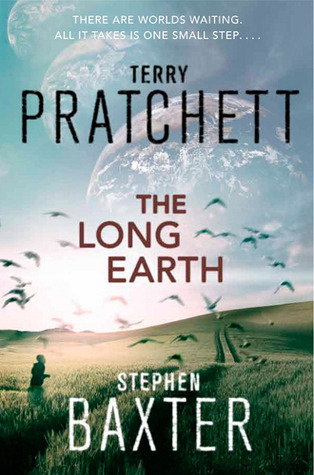
The Long Earth by Terry Pratchett and Stephen Baxter

The Long Earth is a collaboration between Terry Pratchett and Stephen Baxter. I didn’t expect to enjoy it as much as I did. My favourite Pratchett books are hands down some of the Discworld novels. My experience with an armful of Baxter books is that he tends to over write this science and tends to reuse similar characters. So I wasn’t sure what to expect. Mainly I was hoping for Pratchetty characters and an interesting story.


That’s pretty much what I got, but better. The whole novel flowed well so there was never any obvious breaks between writers (as one would hope) and front cover notwithstanding, the overall feel seemed more Pratchetty to me. I read in an interview somewhere that the idea of the Long Earth — a series of parallel worlds which followed different biological and cosmic evolutionary tracks to the world we know — was Pratchett’s idea from way back, but he didn’t feel he could do justice to it by himself. Perhaps this is why it feels like a Pratchetty world, although some of the ideas (of odd things encountered) seemed Baxtery.


The story follows a few characters with varying degrees of depth. There is Joshua, a natural stepper (between worlds) who was there, so to speak, on the day when the children of the world downloaded instructions to build their own stepping devices and suddenly disappeared. He is the most central character and, later on, we follow him and a Tibetan reincarnated as a computer across millions of Earths.


We also see many cameos of other characters, some only once, some reappearing several times. All of them play crucial parts in the unfolding of the Long Earth. I mention this because one of the characters on the blurb isn’t a very prominent character, so I thought it odd that he was included. I suspect it would have been a difficult book to write a blurb for.


Overall, The Long Earth is more philosophical than plot-driven, although there are some save-the-day type moments. That said, there was never a dull moment and a lot of the ideas explored were fascinating and, in my opinion, dwelt upon for just the right amount of time. The end, when it came was a little bit sudden but upon reflection I’ve decided I like it. They leave it open so that there could be more books (I don’t expect any, but the back cover of my copy says it’s the first book in an exciting new collaboration… so I don’t know. I’d read it, but I’m more keen for as many Discworld books as possible) but nothing is left hanging, except for, y’know, the fate of all the worlds exactly what happens next.


I would recommend The Long Earth to anyone who enjoys science fiction or fantasy that is thoughtful, character-driven (especially if you count the Long Earth as a character) and immensely interesting.


4.5 / 5 stars

New Booksies (13)


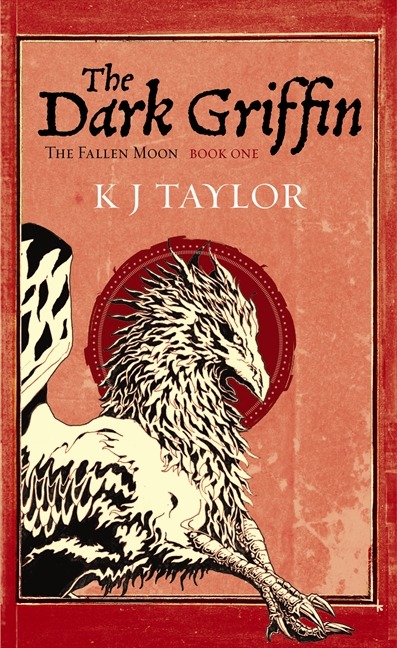
The Dark Griffin by K J Taylor


The Griffin's Flight by K J Taylor


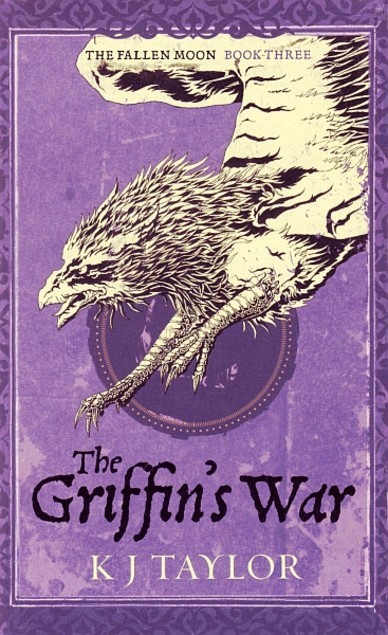
The Griffin's War by K J Taylor


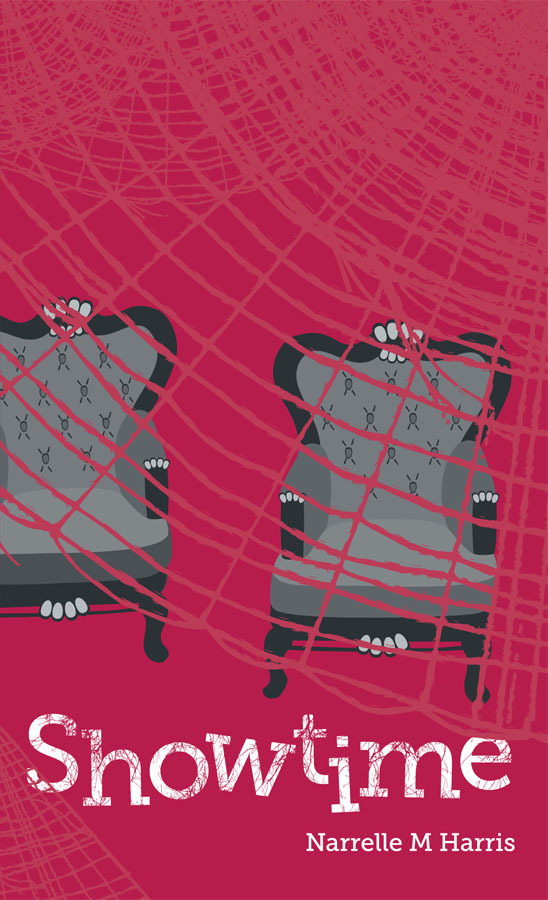
Showtime by Narrelle M Harris


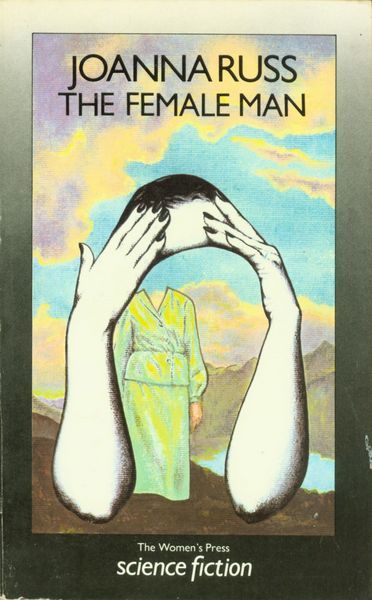
The Female Man by Joanna Russ


The Interrogation of Ashala Wolf


These are the last of the books I’m allowing myself to buy in Australia. Obviously I’d always like more, but weight limits are starting to be relevant (also, the whole not being made of money thing…)

First up, I visited the new Embiggen Books shop in Melbourne, which is where a Twelfth Planet Press event took place during Craftinomicon. It was a bit meta because I ended up browsing the bookshop while listening to a podcast recorded IN the book shop. Anyway, of the TPP books the had remaining, Showtime by Narrelle Harris was the one I found which I didn’t already have. So that was nice. I’ve already reviewed it, too.

Then I decided to by the K J Taylor trilogy about griffins, The Fallen Moon series. Because I could (just) and because I’ve been hearing good things and she’s Australian and female and those traits tend to bode well for my enjoyment.

Finally, quite by chance, I stumbled upon The Female Man by Joanna Russ in a second hand bookshop in the sticks of southern NSW. After all the mentions on Galactic Suburbia, I couldn’t not by it. I don’t think I have room for it in my luggage, though, so I don’t expect to be reading it too soon (on the other hand, I already have the Extra Ordinary People collection by Russ waiting for me on the other side of the world, so I won’t be completely deprived).

Finally, I found a copy of The Interrogation of Ashala Wolf by Ambelin Kwaymullina in a new local indie bookshop, which was cool. It’s a recent release so I wasn’t sure if I would be able to find it (and it’s not by a giant publisher, which makes it all the harder to get overseas/in ebook). So I’m looking forward to reading that soon, possibly trying to finish it before I leave, but we’ll see how that pans out.

And that’s it! Soon it’s back to my regularly scheduled read-three-buy-one programming, so I’m not sure when I’ll next be posting about new booksies :-/ Would that I could always buy all the books. Alas.

Monday, 16 July 2012

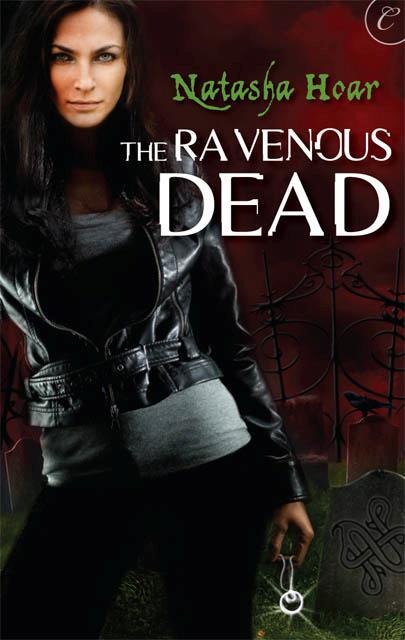
The Ravenous Dead by Natasha Hoar

The Ravenous Dead by Natasha Hoar is a new ebook-only novella published by Carina Press. Continuing Carina Press’s trend of releasing series of related novellas, The Ravenous Dead follows on from The Stubborn Dead (link to publisher page). I haven’t read The Stubborn Dead and, while I could guess vaguely what it might have been about, I didn’t feel I needed to have read it before The Ravenous Dead nor that The Ravenous Dead was likely to have spoiled the earlier story for me (of course, I might be wrong on that second part, who knows).


Rachel is a rescue medium which means that it’s her job to help free souls which are stuck on Earth and deal with certain supernatural creatures. In this novella, a reaper, an undead soul-eater, is ravaging Vancouver and leaving a trail of bodies in it’s wake. Rachel sets out to stop it with her protege (with his own special powers) Kit.


It was a little bit gory at the start when the bodies were described but after that the story was mainly action and a little bit of detective work.


There were a few scenes from the reaper’s point of view which felt a bit odd. They seemed to make the reader sympathise a bit with the reaper (who didn’t end up as a particularly soul-thirsty reaper on purpose) but then ended with him being an emotionless killing machine. It turned out there was a reason for this, story-wise, but it confused me a bit.


There was a nice hook at the end for a possible future story which definitely made me want to read more.


Overall, this wasn’t a bad story but it didn’t elicit any particularly strong emotions in me. I would recommend it to anyone who enjoys urban fantasy and is looking for a quick and action-heavy story to pass the time.


3.5 / 5 stars

Sunday, 15 July 2012

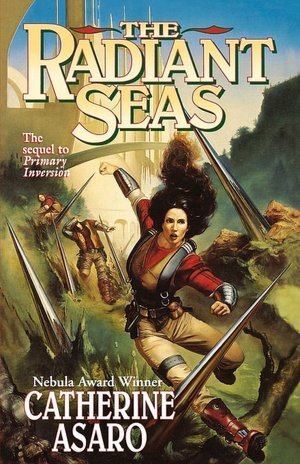
The Radiant Seas by Catherine Asaro


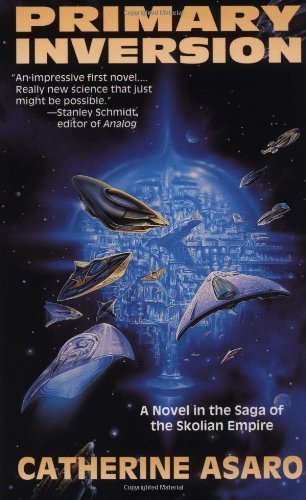
The Radiant Seas by Catherine Asaro is the second book I’ve read in the Skolian Empire saga (which actually has three empires in it with the two main ones having different names so it gets confusing but that’s the term I’m going to stick with). The other book that I’ve read was Primary Inversion which, chronologically, immediately precedes The Radiant Seas. For this review to make sense, I’m going to have to include a spoiler for the end of Primary Inversion, but I’ll put in a warning when I get to that.


Asaro’s universe contains three interstellar empires:


  • The Skolians whose ruling family are powerful telepaths and who can communicate instantaneously through a telepathic web that three of the imperial family hold in place with their minds (and to do so they have to be the most powerful type of telepaths, a condition that involves recessive genes and can’t be genetically engineered.

  • The Eubians who are ruled by the irredeemably evil (and genetically specific) class of Aristos. Evil because they literally gain transcendent pleasure from being in proximity to the suffering of telepaths. Their mission in life is generally to acquire as many telepathic slaves as they can, the more powerful the better (and, incidentally, they don’t see anyone else as fully human, especially the telepaths but including ordinary humans).

  • And then there’s the Earth and Allied Worlds who try to stay out of the never ending conflicts between the other two empires and don’t entirely believe how horrible the Eubians are with their slavery and torture.

The main characters are mostly Skolian and the antagonists are all Eubian although they’re not all as automatically evil as it might seem (but most are) and do have proper motivations for what they do, always an important trait in bad guys. The story in The Radiant Seas picks up exactly where Primary Inversion left off and spans many (17ish) years.


Before I get to the spoilers, a few words on the science because I can’t review an SF book without commenting on that. Asaro’s science, real and made up, is pretty good and (most importantly ;-p ) didn’t annoy me. It was a good mix between made up stuff (the telepathy) told from a scientific point of view and fairly hard semi-plausible science like the propulsion systems. Asaro actually has a PhD in physical chemistry theoretical atomic and molecular physics so much of the quantum and relativity stuff is plausible. She even published a paper about the theory behind her faster than light travel system. In short, nothing to complain about here.


And to be able to talk about the plot, I have to mention a spoiler for the end of Primary Inversion


~


SPOILER WARNING FOR PRIMARY INVERSION


***


WARNING OF SPOILERS


***


YOU HAVE BEEN SPOILER-WARNED FOR PRIMARY INVERSION (NOT RADIANT SEAS)


~


At the end of Primary Inversion, Soz, next in line to be the Imperator (Skolian), and Jabriol II, heir to the Imperial throne (Eubian), fall in love when Soz discovers Jabriol isn’t in fact an Aristo but part of a secret genetic experiment to breed telepathy into the imperial line. Rather than feeding on telepaths, he is the most powerful type of telepath himself (as is Soz). Since peace between their empires is inherently impossible while there are still Aristos running around, they ran off to a deserted planet together. The Radiant Seas picks up when they’re busy making copious babies while their families mourn them, then get on with waging war against each other.


Because the story spans so many years, it really felt like the first half was setting up the events of the second half. There were some action scenes in the first half and the story definitely progressed, but there were moments when it felt like it was dragging. In the second half, Soz and Jabriol (and their kids) rejoin civilisation and their respective empires, the story really picks up. Soz trying to rescue Jabriol was much more exciting than them making babies while their families fought.


Aside from the few boring bits (which weren’t enough to ruin anything, in my opinion), I quite enjoyed this novel. I mostly liked Soz because she kicks arse but I did find the whole running away from imperial duties thing a bit selfish. However, it was also nice to see an alternative narrative where duty isn’t held up as the most important thing and the character chooses family. (I still think they should’ve hung around to fix things up more first…)


Overall, I would recommend this book to people who enjoy science fiction with epic world-spanning empires, lots of political intrigue and long range plots. I definitely suggest reading Primary Inversion before The Radiant Seas, however, since a lot of world building and, more importantly, plot set up, takes place in the earlier book.


4 / 5 stars

Saturday, 14 July 2012

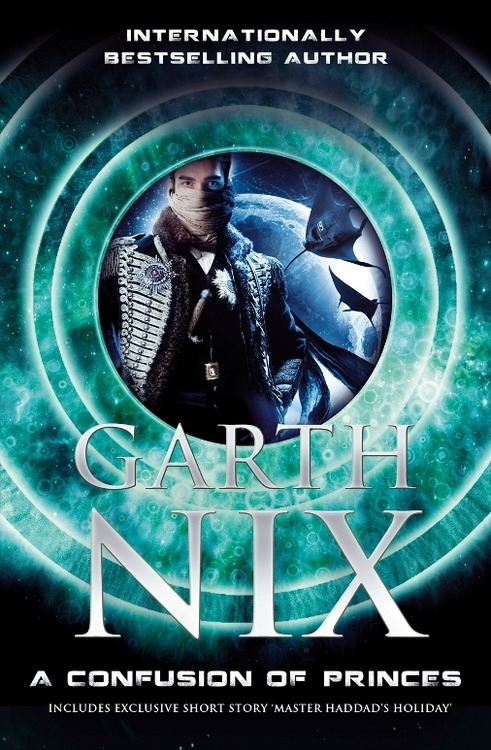
A Confusion of Princes by Garth Nix

A Confusion of Princes is the first book by Garth Nix that I’ve read, despite his being an Australian author of some note. After reading it, his other books have moved up on my mental TBR list.

The story takes place in a space opera galactic empire, complete with fancy technology, body augmentations and psychic priests holding the empire together. The empire is run by the Emperor and the Imperial Mind, a sort of psychic presence that monitors almost everything and directs the actions of the empire’s priests, assassins and princes. Princes are chosen from a young age based mostly on genetic predisposition to the augmentations that make them super human. They’re taken away from their ordinary human families and raised in temples (which have very little to do with religion) and trained to be arrogant and self-centred pricks.

The thing that prevented the main character from being insufferable was that the story was told retrospectively by his grown-up self (mind you, he’s 18-19 for most of the story), who fully acknowledged what an idiot he was. I think if it was told in a more present manner, he would have been much more insufferable. There were many humorous moments where I laughed out loud at him as he learnt how the real world worked. I was also amused by some of the scenarios Nix set up which seemed to be poking fun at certain SF/space opera tropes.

A Confusion of Princes is also a very action-packed and fast paced novel. Although it covers about two years, it jumped from highlight to highlight quite quickly with several “and nothing exciting happened for a few months” moments. In a way this was good because it kept the plot moving, but I also couldn’t help but want to know more about the world Nix has built. Although this is a stand-alone novel, I wouldn’t mind reading more stories set in the same world. There was a short story appended in the edition I bought (which I think is the standard Aussie Allen & Unwin edition — can I just say how nice it is to see vapourise spelt with both a u and an s?), about the main character’s mysterious right hand man (aka Master of Assassins) but I didn’t feel it added much to the story. I mean, it wasn’t bad, I was just hoping a deeper look into the guy’s psyche.

What I found particularly interesting was the way all the imperial roles were gender neutral. Princes could be male or female, as could assassins and priests. There was a special gender-neutral pronoun for the Emperor heirself and while the main character was male and the world revolved around him, background characters were just as likely to be female as male (and Nix didn’t shy away from the whole fighting a girl thing that trips up some). The only thing that annoyed was the whitewashing/homogenising of the main character on the front cover. He’s meant to be black and spends most of the story with a mohawk.

Overall, a fun read. I would call it YA but more for its brevity than, even, the coming of age aspect of the plot. Oh, and none of the science made me angry, yay! I recommend it to anyone who enjoys YA science fiction or wants a light, non-strenuous, read.

4 / 5 stars